
Electrical Computer-Aided Design (ECAD) Market: Advancements, Applications, and Future Outlook
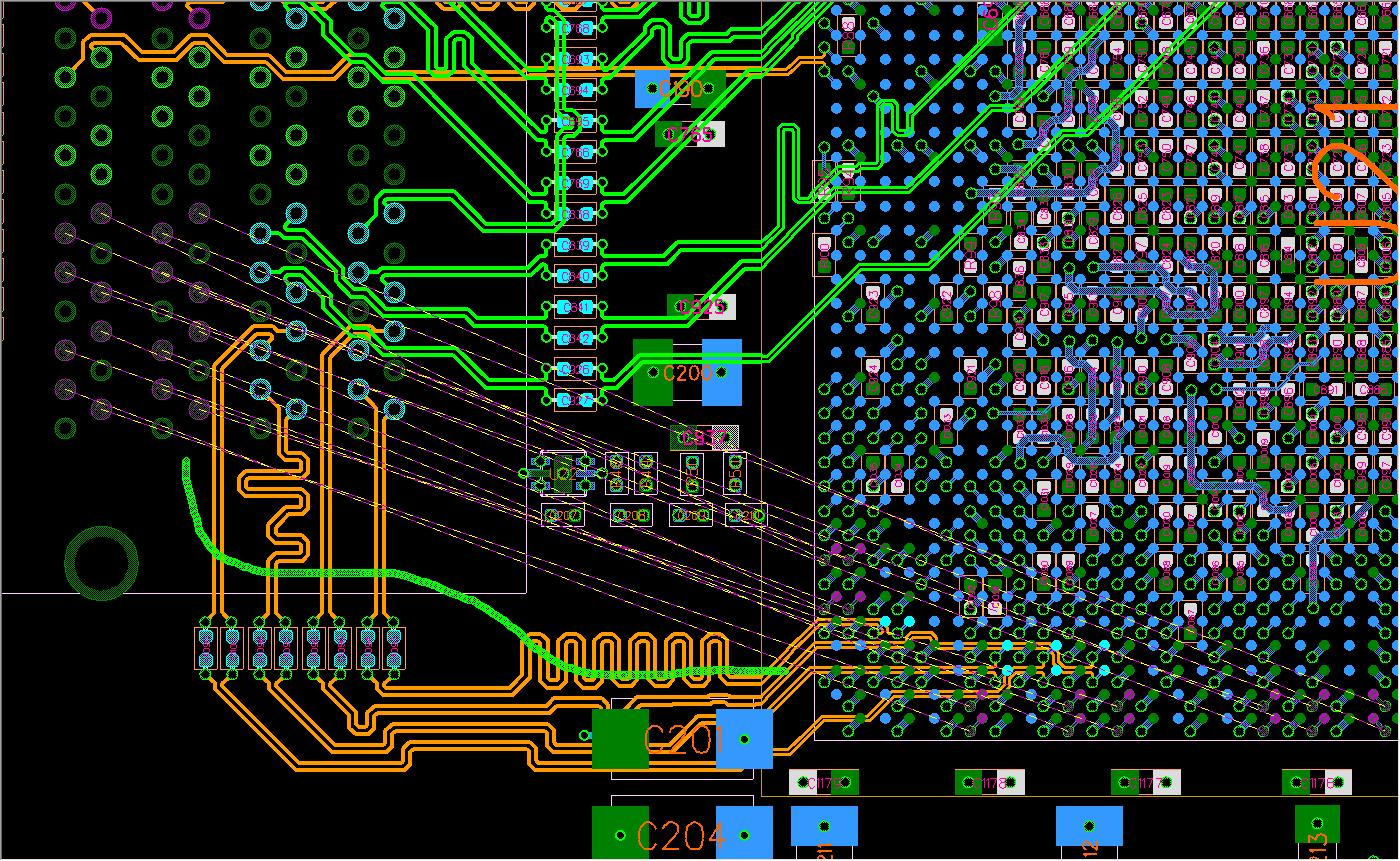
Electrical Computer-Aided Design (ECAD) represents a specialized branch of digital design tools used for planning, modeling, and documenting electrical systems across industries. ECAD solutions have become essential for electrical engineers as modern products and infrastructures grow increasingly complex, requiring greater accuracy and faster development cycles. These tools support schematic design, wiring harness layouts, panel layouts, circuit diagrams, and comprehensive documentation. By replacing manual design processes, ECAD enhances productivity, reduces errors, and helps organizations adhere to global standards. Growing digital transformation initiatives and the rising demand for automation in engineering workflows are driving significant adoption across manufacturing, construction, automotive, aerospace, and industrial sectors.
ECAD software provides a unified environment that integrates electrical design with mechanical and electronic engineering processes, allowing seamless collaboration. This integration supports multidisciplinary projects such as electric vehicles, smart factories, renewable energy systems, and advanced robotics. Businesses are increasingly adopting ECAD platforms to minimize design rework, optimize component selection, and streamline bill-of-materials (BOM) generation. Cloud-enabled ECAD solutions are also gaining traction, enabling teams to collaborate in real time, maintain version control, and access advanced simulation features that predict system behavior before physical prototypes are built. This shift reduces overall development costs and accelerates time-to-market, making ECAD a strategic investment for innovation-driven organizations.
Rising complexity in electrical systems is a major growth driver for the ECAD market. Industries like automotive and aerospace now rely on intricate wiring harnesses with thousands of connections, necessitating advanced digital tools to maintain accuracy and compliance. EV manufacturers, in particular, depend on ECAD platforms to design high-voltage architectures safely and efficiently. In industrial automation, ECAD tools help engineers develop control panels, PLC wiring diagrams, and instrumentation layouts that support Industry 4.0 initiatives. The construction sector also uses ECAD for electrical building layouts, load calculations, cabling routes, and system documentation, ensuring compliance with building codes and safety standards. As smart buildings, IoT infrastructure, and renewable energy installations expand globally, demand for ECAD solutions continues to rise.
Another key trend shaping the ECAD landscape is the integration of artificial intelligence and automation features. Modern ECAD tools now incorporate automated routing, intelligent component selection, error checking, and optimization algorithms. These capabilities significantly reduce repetitive tasks and improve design accuracy by identifying potential conflicts early. AI-driven simulation tools also enable predictive analysis, allowing engineers to assess safety, performance, and efficiency before manufacturing begins. As more organizations embrace data-driven engineering, AI-enhanced ECAD solutions are expected to become standard across industries. Additionally, digital twin technology is emerging as a powerful complement to ECAD, enabling real-time monitoring and virtual testing of electrical systems throughout their lifecycle.
Challenges persist, however, including high implementation costs and the need for skilled professionals capable of navigating advanced ECAD platforms. Small and mid-sized enterprises may struggle with initial investments or integrating ECAD tools into existing workflows. Another barrier lies in interoperability, as organizations often work with multiple software systems that need seamless data exchange. Despite these challenges, software providers are increasingly offering subscription-based licensing, cloud access, and integrations with PLM, ERP, and mechanical CAD platforms to make adoption more flexible and cost-efficient. Continuous training and user-friendly interfaces are also helping bridge the skill gap across engineering teams.
Geographically, North America and Europe hold strong positions in the ECAD market due to advanced engineering ecosystems, robust industrial automation, and major automotive and aerospace manufacturers. Asia-Pacific is experiencing rapid growth as countries like China, Japan, South Korea, and India accelerate digital manufacturing and infrastructure development. The region’s expanding electronics and EV sectors are key contributors to increasing ECAD adoption. Meanwhile, emerging markets are gradually embracing ECAD tools as part of broader modernization initiatives across power distribution, construction, and transportation sectors. Global demand is expected to rise further as industries pursue sustainable designs, energy efficiency, and compliance with stringent regulatory frameworks.
In summary, Electrical Computer-Aided Design has evolved into an indispensable pillar of modern engineering, supporting innovation, collaboration, and operational efficiency across multiple sectors. Advances in cloud computing, AI-driven design automation, and integration with mechanical and digital engineering ecosystems continue to enhance the capabilities of ECAD platforms. As industries transition toward electrification, smart infrastructures, and connected systems, the role of ECAD will only grow stronger. Organizations adopting these solutions today position themselves for greater competitiveness, reduced development cycles, and enhanced design quality, underscoring ECAD’s value as a critical enabler of next-generation engineering and digital transformation.

 English
 Arabic
 French
 Spanish
 Deutsch
 Turkish
 Dutch
Dutch
 Italiano
 Russian
 Romaian
 Portuguese (Brazil)
 Greek
Greek