
The Critical Foundation of the Digital Philippines: The Modern Data Center
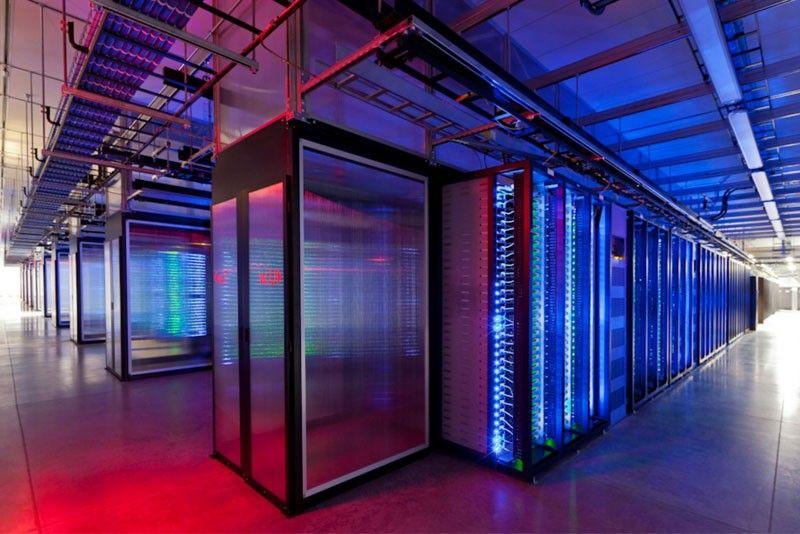
The rapid digital transformation sweeping across the Philippines is being built upon a critical and expanding foundation: the modern Philippines Data Center. These highly secure and resilient facilities are the nerve centers of the nation's digital economy, housing the essential computing, storage, and networking equipment that powers everything from e-commerce and digital banking to the nation's thriving Business Process Outsourcing (BPO) industry. As data consumption soars and businesses migrate their operations to the cloud, the demand for robust, high-capacity data center infrastructure has become a paramount national interest, driving significant investment into the sector. The Philippines Data Center Market Size is projected to grow from USD 5.27 billion in 2025 to USD 15.31 billion by 2035, exhibiting a CAGR of 11.25% from 2025 to 2035. This growth reflects the country's strategic journey towards becoming a key digital hub in the Southeast Asian region.
At its core, a data center provides a controlled physical environment—often referred to as colocation space—where businesses can house their critical IT hardware. This environment is characterized by multiple layers of security, redundant power sources including uninterruptible power supplies (UPS) and backup generators, and sophisticated cooling systems to maintain optimal operating temperatures for sensitive electronics. By utilizing a data center, companies can avoid the immense capital expenditure and operational complexity of building and maintaining their own facilities. This allows them to focus on their core business activities while entrusting their digital infrastructure to specialized experts who can guarantee high levels of uptime, security, and connectivity. This value proposition is a key reason why demand for third-party data center services is exploding across the archipelago, particularly in and around Metro Manila, the country's primary economic and connectivity hub.
The evolution of the data center in the Philippines mirrors global trends, moving from small, private enterprise server rooms to large-scale, multi-tenant facilities designed to serve a diverse clientele. Today's data centers are not just about providing space and power; they are rich connectivity hubs. They offer a dense ecosystem of telecommunication carriers, internet service providers (ISPs), and direct, low-latency connections to major public cloud providers like Amazon Web Services (AWS), Microsoft Azure, and Google Cloud. This rich connectivity is vital for businesses deploying hybrid cloud strategies, enabling them to seamlessly connect their private infrastructure housed within the data center to the vast resources of the public cloud, creating a flexible, agile, and powerful IT environment to support their digital ambitions.
Ultimately, the importance of the data center in the Philippines cannot be overstated. It is the physical manifestation of the cloud and the digital economy. Every mobile application used, every online transaction made, and every remote work session conducted relies on the seamless operation of these facilities. As the Philippines continues to embrace digitalization, the role of the data center will only become more critical, acting as the bedrock for innovation, economic growth, and the nation's participation in the global digital future. The ongoing investment and expansion in this sector are therefore not just about building infrastructure; they are about building the very foundation for the country's next chapter of progress and prosperity in the 21st century.
Explore Our Latest Trending Reports:

 English
 Arabic
 French
 Spanish
 Deutsch
 Turkish
 Dutch
Dutch
 Italiano
 Russian
 Romaian
 Portuguese (Brazil)
 Greek
Greek