
Solid Sulphur Market Size to Grow from US$ 4.15 Billion by 2034
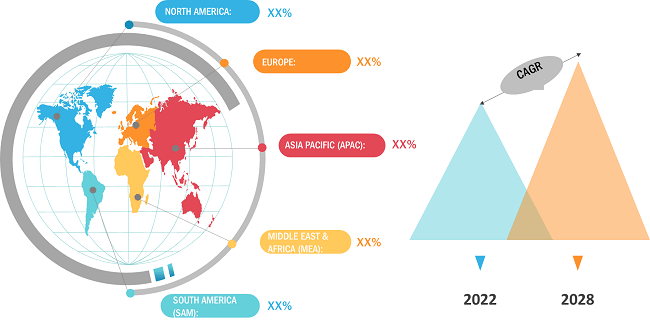
Every tonne of petroleum refined and every cubic metre of natural gas processed generates a sulphur removal obligation that the energy industry cannot avoid. The sulphur recovered from these operations increasingly captured as a solid rather than released as sulphur dioxide flows into a global commodity market that underpins fertiliser production, chemical manufacturing, rubber processing, and metal refining at industrial scale. The Solid Sulphur Market is projected to grow from US$ 4.15 Billion in 2025 to US$ 6.74 Billion by 2034, registering a CAGR of 5.54% over the forecast period. This robust growth trajectory is anchored by rising global fertiliser demand, expanding chemical processing activity, and the continuing enforcement of low-sulphur fuel standards that make sulphur recovery an unavoidable industrial output across oil and gas operations worldwide.
What Is Solid Sulphur?
Solid sulphur is elemental sulphur in its solidified commercial forms most commonly prilled, granular, or crushed lump recovered as a by-product of petroleum refining and natural gas sweetening operations. As environmental regulations mandate progressively lower sulphur content in transportation fuels, the volume of sulphur recovered per barrel of processed crude increases, making solid sulphur supply fundamentally linked to the throughput of the global refining and gas processing industry. Unlike molten sulphur, which is transported in heated tankers, solid sulphur offers handling, storage, and shipping advantages that make it the preferred commercial form for long-distance trade, particularly to fertiliser manufacturing markets in Asia and Latin America that are distant from Middle Eastern and North American production centres.
Request a Sample Copy of the Report: https://www.theinsightpartners.com/sample/TIPRE00010698
What Is Driving Growth in the Solid Sulphur Market?
Fertiliser manufacturing is the dominant and most structurally secure demand driver for solid sulphur globally. Sulphur is an essential feedstock for sulphuric acid production, which in turn is the primary input for phosphate fertiliser manufacturing specifically for the production of diammonium phosphate (DAP), monoammonium phosphate (MAP), and single superphosphate (SSP) that together account for the majority of global phosphate fertiliser consumption. As the global population grows and dietary protein consumption rises across developing economies, the pressure on agricultural productivity intensifies, and fertiliser demand including the sulphur embedded within it expands correspondingly. Beyond sulphuric acid, elemental sulphur is directly applied to agricultural soils as a sulphur fertiliser nutrient, addressing sulphur deficiencies that have become increasingly prevalent as lower-emission coal combustion has reduced atmospheric sulphur deposition in major agricultural regions.
Chemical processing represents the second major demand pillar, encompassing a diverse range of applications including the production of sulphuric acid for industrial use, carbon disulphide for viscose fibre manufacturing, and various sulphur-containing intermediates across fine chemical and agrochemical synthesis. The global growth of the chemicals industry, particularly in Asia, is sustaining consistent incremental demand from this segment. In metal manufacturing, sulphuric acid derived from solid sulphur serves critical roles in copper, zinc, and nickel hydrometallurgical processing, where acid heap leaching and pressure oxidation circuits consume substantial quantities. The expanding output of base metals driven by the energy transition copper for electrification, nickel for battery cathodes is creating a positive secondary demand signal for solid sulphur through this channel.
Rubber processing, while a smaller application segment, contributes steady demand through the vulcanisation of natural and synthetic rubber. Sulphur cross-linking remains the foundational chemistry of tyre manufacturing and industrial rubber goods production, and the global automotive industry's sustained output including the growing EV fleet with its substantial rubber content in tyres, seals, and hoses provides a reliable baseline demand stream that is not subject to significant substitution risk.
Segmentation Overview
By Manufacturing Process: The Claus process dominates global solid sulphur production, accounting for the overwhelming majority of recovered sulphur from petroleum refining and natural gas desulphurisation operations. The Claus process converts hydrogen sulphide the primary sulphur compound removed from hydrocarbon streams into elemental sulphur through a catalytic oxidation sequence with recovery efficiencies exceeding 99% at modern installations. The Frasch process, which involves injecting superheated water into underground sulphur deposits to melt and pump sulphur to the surface, has declined significantly in commercial relevance as recovered by-product sulphur from refining has progressively displaced mined sulphur. Frasch process operations now represent a small and diminishing share of global supply.
By Application: Fertilisers dominate solid sulphur consumption by a wide margin, reflecting the scale of global phosphate fertiliser production and the direct application sulphur market. Chemical processing is the second-largest application, driven by industrial sulphuric acid demand. Metal manufacturing and rubber processing complete the application picture, each characterised by stable, long-cycle demand dynamics tied to base metals output and automotive rubber consumption respectively.
Key Market Players
· Abu Dhabi National Oil Company (ADNOC)
· Chemtrade Logistics Income Fund
· Enersul Limited Partnership
· Gazprom
· Marathon Petroleum Corporation (MPC)
· Motiva Enterprises LLC.
· Qatar Petroleum (QP)
· Repsol
· Saudi Aramco
· Valero Energy Corporation
Sustainability and Innovation Trends
The solid sulphur market occupies a distinctive sustainability position: it is simultaneously a product of environmental regulation and a critical input for sustainable agriculture. The tightening of marine fuel sulphur limits under IMO 2020 and the progressive lowering of on-road diesel sulphur specifications globally are driving increased sulphur recovery from refinery operations, ensuring a growing and reliable supply of recovered sulphur irrespective of oil demand trajectories. On the demand side, sulphur fertiliser's role in closing the crop nutrient cycle is gaining recognition among agronomists and sustainability-focused farming programmes as the most efficient form of sulphur nutrient delivery.
Innovation in solid sulphur forming technology particularly the development of controlled-release sulphur fertiliser granules that oxidise progressively in soil rather than all at once is improving agronomic efficiency and reducing the risk of soil acidification associated with high-rate elemental sulphur applications. Polymer-coated sulphur fertiliser products combining sulphur's nutrient value with controlled release characteristics represent an active area of product development among major fertiliser companies.
Buy Premium Report: https://www.theinsightpartners.com/buy/TIPRE00010698
Regional Outlook
The Middle East is the dominant producing region for solid sulphur globally, with Saudi Arabia, Qatar, and the UAE collectively accounting for a large share of seaborne solid sulphur trade that flows primarily to phosphate fertiliser manufacturers in India, Morocco, and Southeast Asia. North America is both a significant producer, through its large complex refinery base, and a substantial domestic consumer through its phosphate fertiliser manufacturing industry concentrated in Florida and the Gulf Coast region.
Asia Pacific is the largest consuming region, led by India and China, both of which operate large phosphate fertiliser manufacturing industries with substantial import dependence for sulphur feedstock.
India's fertiliser policy, which targets domestic food security through affordable phosphate fertiliser supply, makes it among the most strategically important destination markets for solid sulphur exports. Africa, particularly Morocco and Tunisia with their phosphate rock reserves and fertiliser manufacturing ambitions, represents a growing production and consumption market. Latin America, led by Brazil's large agricultural sector, is a significant importer of both solid sulphur and finished phosphate fertilisers.
Related Reports:
Elemental Sulfur Based Pesticides Market
About The Insight Partners
The Insight Partners is among the leading market research and consulting firms in the world. We take pride in delivering exclusive reports along with sophisticated strategic and tactical insights into the industry. Reports are generated through a combination of primary and secondary research, solely aimed at giving our clientele a knowledge-based insight into the market and domain. This is done to assist clients in making wiser business decisions. A holistic perspective in every study undertaken forms an integral part of our research methodology and makes the report unique and reliable.
Contact Us:
If you have any queries about this report or if you would like further information, please contact us:
Phone: +1-646-491-9876
E-mail: sales@theinsightpartners.com
Also Available in: Korean | German | Japanese | French | Chinese | Italian | Spanish

 English
 Arabic
 French
 Spanish
 Portuguese
 Deutsch
 Turkish
 Dutch
Dutch
 Russian
 Romaian
 Portuguese (Brazil)
 Greek
Greek